


As the world moves toward renewable energy, electrical power systems are also facing new challenges. Producing solar and wind energy is only part of the solution. Countries also need smarter ways to manage electricity, reduce energy waste and keep power systems reliable.
Bangladeshi electrical engineer and researcher Abdullah Al Fathah is working in this area by combining artificial intelligence with electrical and renewable-energy systems.
His research focuses on developing AI-driven autonomous systems that can study energy data, predict future conditions and help power systems make better decisions automatically.
The broader goal of his work is to improve renewable-energy integration, increase the efficiency of power grids and help reduce carbon emissions across industries.
Making Renewable Energy Smarter
The use of solar and wind power is growing rapidly around the world. However, unlike traditional power generation, renewable-energy production can change depending on sunlight, weather and other environmental conditions.
This creates challenges for electricity networks.
Fathah’s research looks at how AI can analyze changing energy production, electricity demand and operating conditions to help make the power system more efficient.
In simple terms, an intelligent energy system could understand what is happening across the network and help determine the best way to use available electricity.
Such technology could eventually support utilities, renewable-energy projects, manufacturing plants and other industries.

Predicting Problems Before They Become Serious
Another important part of Fathah’s research is predicting problems before they lead to failures.
Modern electrical systems produce large amounts of data. By studying that information, AI can identify unusual patterns and help engineers understand when equipment may need attention.
His previous research has explored AI and IoT-based predictive maintenance for smart power grids, with the aim of identifying equipment problems earlier, reducing energy losses and improving reliability.
This research direction is also connected with his professional career.
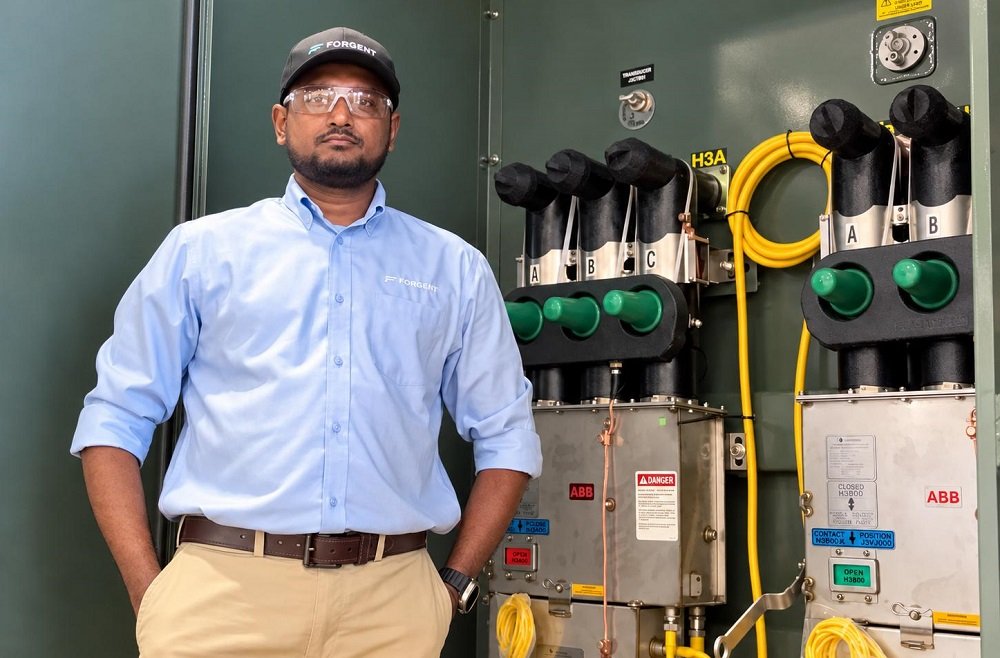
Fathah currently works with Forgent Power Solutions’ VanTran transformer business in Waco, Texas, where he is involved in medium-voltage transformer applications.
While transformers are one area where he is applying his engineering knowledge, his research vision is much broader and covers the future of intelligent energy systems.
AI and Carbon Reduction
A major challenge facing the world is meeting growing energy demand while reducing carbon emissions.
Fathah’s work studies how AI and large amounts of energy data can help industries understand where energy is being wasted and how operations can become more efficient.
His research includes data-based approaches for improving renewable-energy use and reducing carbon impact across different sectors.
The idea is that smarter energy systems can help industries use less energy for the same level of production while making better use of renewable sources.
Research Beyond One Country
Although Fathah currently works in the United States, the challenges addressed by his research exist worldwide.
Developed countries are modernizing older electricity networks and adding renewable energy, energy storage and new technologies.
At the same time, developing countries need more reliable electricity to support industries, cities and economic growth.
For countries like Bangladesh, where electricity demand and industrial development continue to increase, smarter energy management could become increasingly important.
Fathah’s long-term goal is to continue developing intelligent systems that can predict, learn and improve the way energy is produced, distributed and used.
His work reflects a wider shift in electrical engineering, where AI and renewable energy are coming together to create power systems that are cleaner, smarter and more reliable.
““The future of energy will depend on systems that can predict, learn, and make better decisions. My research is focused on bringing that kind of intelligence into renewable energy and electrical infrastructure.”